
Integrated Vegetation Management
Building Healthier, Safer, and More Resilient Roadsides
The New Mexico Department of Transportation (NMDOT) manages more than 220,000 acres of roadside right-of-way across New Mexico, from desert grasslands and shrublands to forests and alpine environments, representing an extensive network of visibly managed landscapes.
Integrated Vegetation Management (IVM) Program
NMDOT’s IVM program recognizes that roadside vegetation management is about more than mowing or controlling weeds. Our goal is to manage roadsides in ways that achieve multiple, interconnected outcomes:
Maintaining safe conditions for the traveling public
Controlling noxious weeds
Helps plants naturally shift north as the climate changes
Supporting healthy native plant communities
Improves soil absorption and reduces polluted runoff
Reducing maintenance costs
Protecting pollinators and other wildlife
Improving resilience to drought and disturbance
Reducing reliance on herbicides
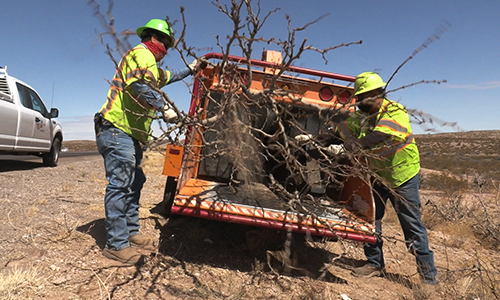
IVM uses a variety of tools and practices to achieve the right outcome for each roadside location. Rather than relying on a single treatment across an entire roadside, NMDOT uses a balanced and site-specific combination of vegetation management practices. These may include mowing, mechanical treatments, targeted herbicide applications, revegetation, prescribed or managed disturbance, biological controls, and simply allowing healthy native vegetation to grow.
Safety Comes First
Safety remains a fundamental emphasis across all NMDOT programs. IVM does not mean allowing vegetation to interfere with sight distance, signs, drainage, clear zones, or other transportation functions. The mission of the IVM program is to manage vegetation intentionally, by maintaining areas that need maintenance while allowing appropriate vegetation to thrive where it can safely provide ecological and practical benefits.
Our Vision
Safe roadsides that are healthy, resilient, and increasingly capable of sustaining themselves.
By working with natural processes rather than continually working against them, we can reduce maintenance demands, control noxious weeds, reduce herbicide use, protect soil and water, support pollinators and biodiversity, and create roadsides that are better adapted to New Mexico’s changing climate.
Integrated Vegetation Management Activities & Partnerships
Managing Noxious Weeds
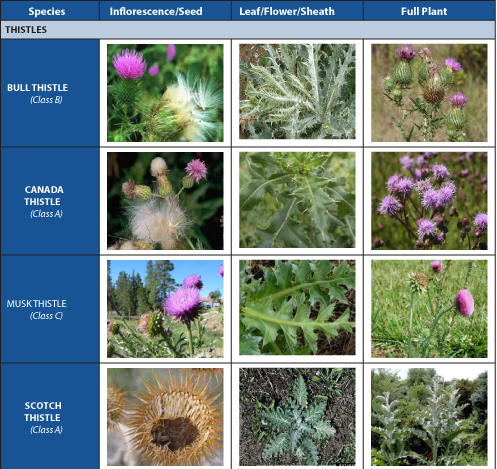
Healthy native vegetation is one of our best tools for managing noxious and invasive weeds.
Noxious weeds can displace native plants, reduce biodiversity, degrade wildlife habitat, increase erosion, interfere with transportation infrastructure, and create long-term maintenance challenges. Some species can be extremely difficult and expensive to control, once established.
NMDOT has mapped noxious weed populations and is developing increasingly comprehensive information about vegetation conditions and management practices across the state. This helps NMDOT identify problem areas, prioritize treatments, track results, and adjust management strategies over time.
Our IVM approach uses a balanced and systematic set of tools to control, contain, and, where feasible, eliminate noxious weeds. Depending on the species, location, and surrounding vegetation, treatments may include mechanical control, targeted herbicide applications, biological controls, revegetation and seeding in native plants, and changes in mowing or other maintenance practices.
Reducing Herbicide Use
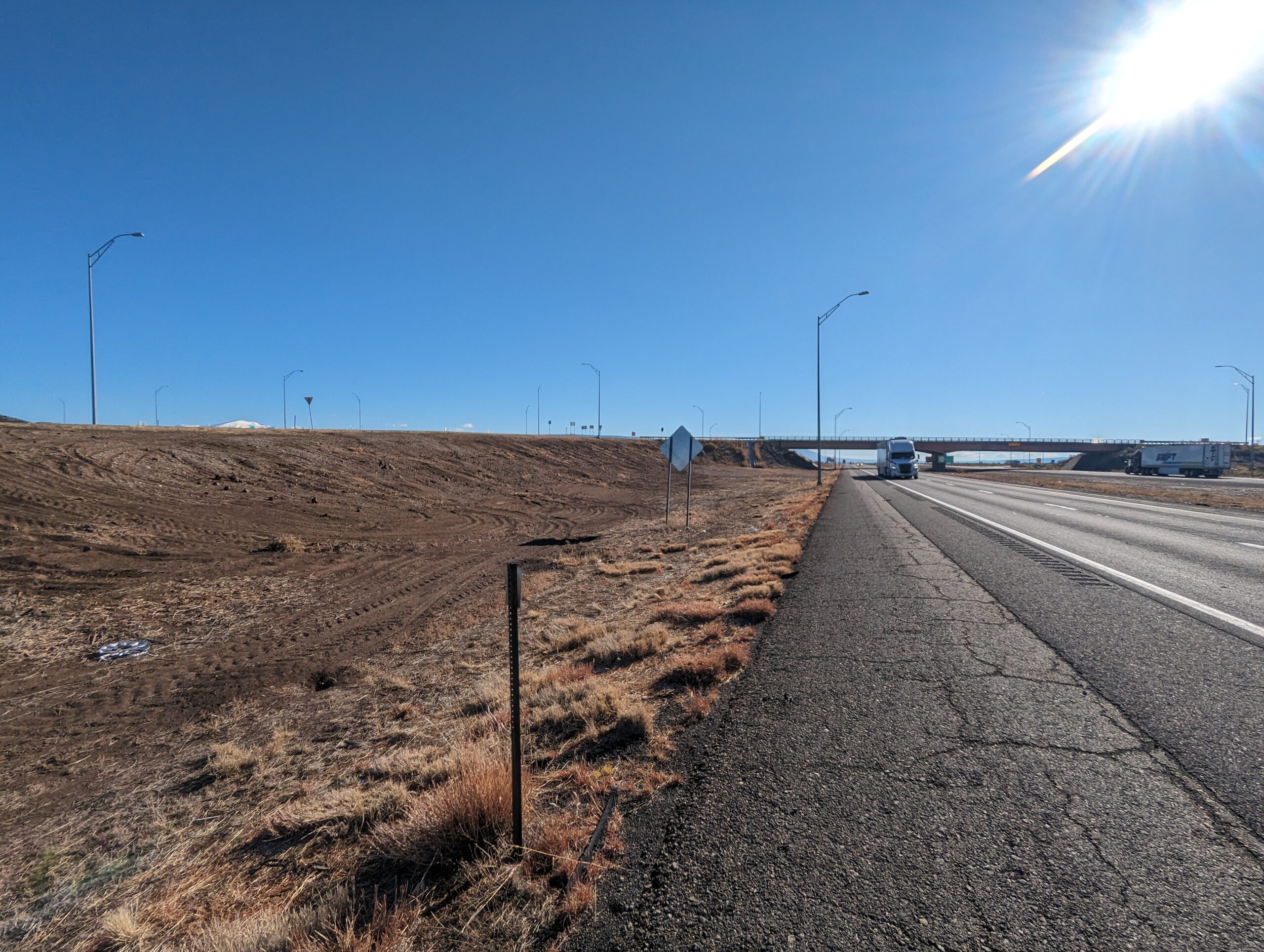
Herbicides are an important tool in NMDOT’s vegetation management toolbox, particularly for controlling certain noxious weeds and other vegetation that cannot be effectively managed through mechanical methods alone. At the same time, NMDOT recognizes that herbicides can pose risks to human health and the environment if used improperly or unnecessarily. That is why our IVM program is focused on using herbicides only when needed, making herbicide use more targeted, more selective, and more effective.
NMDOT is conducting a comprehensive review of herbicide practices across the Department to identify opportunities to sharply reduce or eliminate herbicide use where other effective management options are available. NMDOT is also evaluating the relative toxicity and environmental effects of the products it uses and will seek lower-risk alternatives where they can provide comparable effectiveness.
Ultimately, the IVM program aims to manage healthier roadside vegetation in ways that reduce the need for chemical intervention in the first place.
Supporting Pollinators Across New Mexico
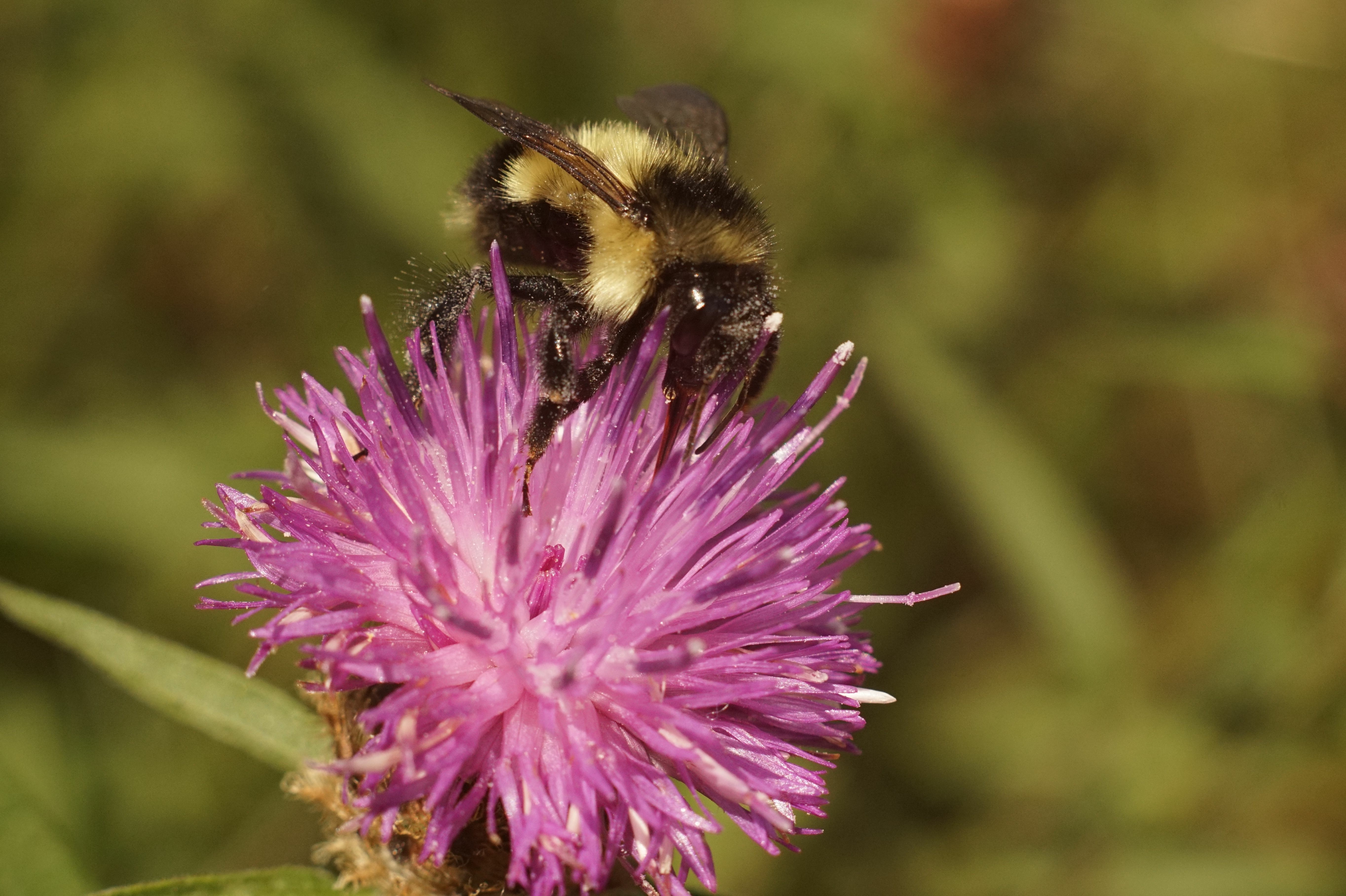
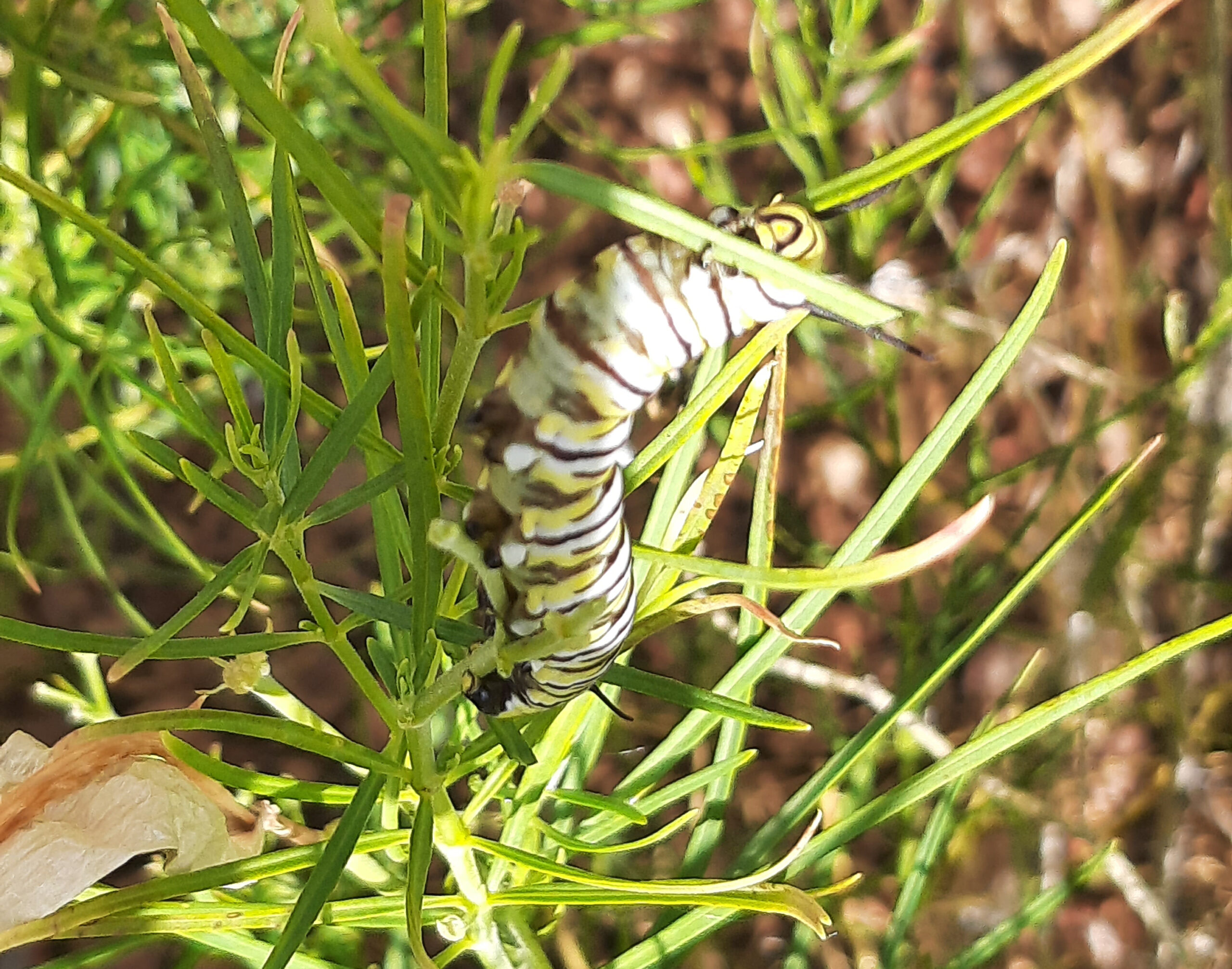
Pollinators including bees, butterflies, moths, hummingbirds, bats, beetles, and other animals are essential to New Mexico’s ecosystems and agricultural systems.
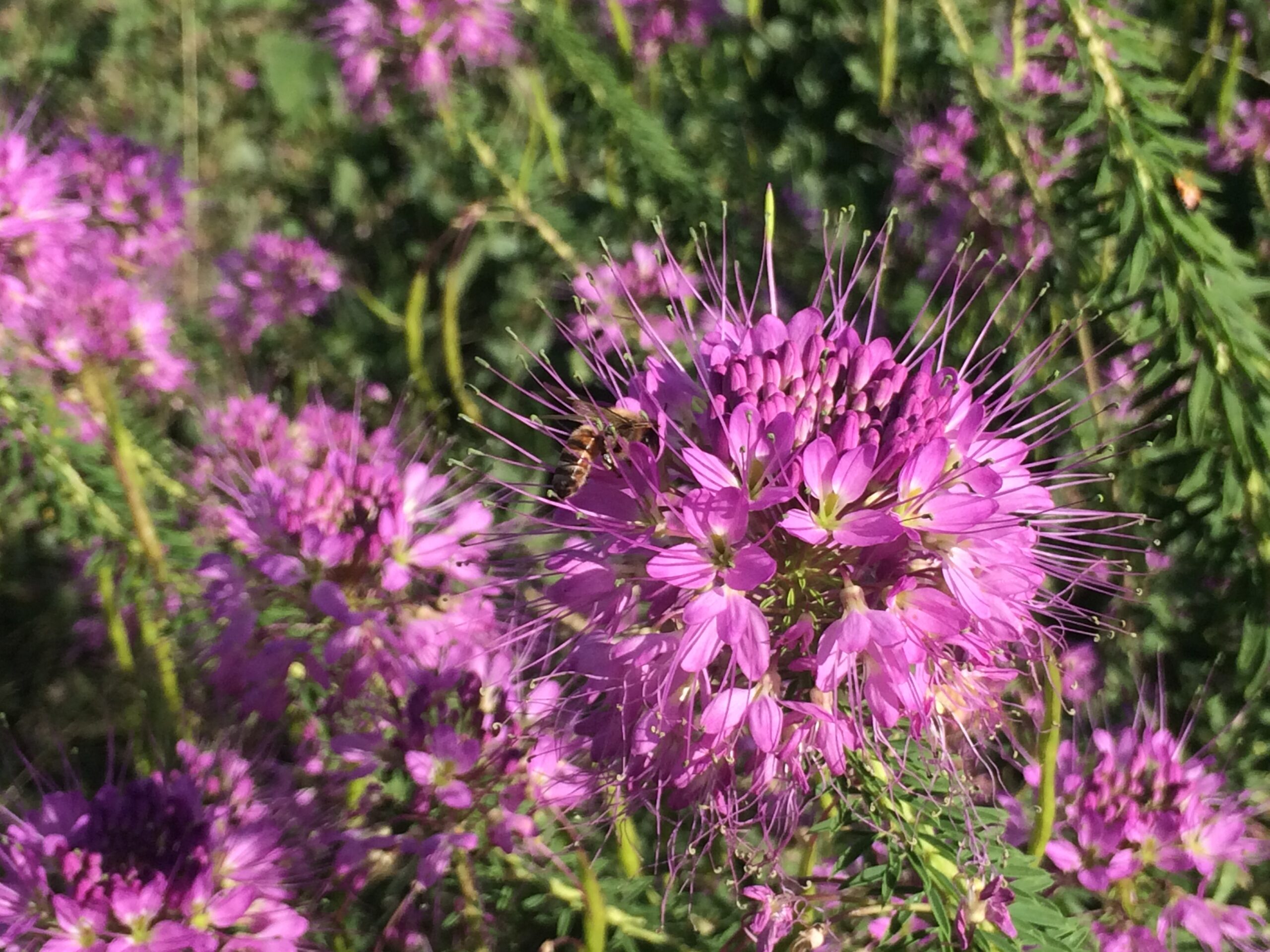
NMDOT is committed to protecting and expanding pollinator habitat across the more than 200,000 acres of right-of-way that we manage. This includes protecting existing native vegetation, reducing unnecessary mowing and disturbance, allowing native plants to flower and produce seed, and actively restoring pollinator habitat where appropriate.
Our work with the University of New Mexico’s Wild Friends program helped make New Mexico’s Pollinator Protection License Plate possible. Wild Friends students researched pollinators, developed the concept, and worked with the New Mexico Legislature to establish the specialty plate. Proceeds support NMDOT pollinator-protection activities, including planting native flowers and grasses along state roads and creating pollinator-friendly demonstration gardens at rest areas.
NMDOT is grateful to the Wild Friends students and community members who helped turn this idea into a statewide conservation program.
Vegetation, Erosion, Dust, and Stormwater
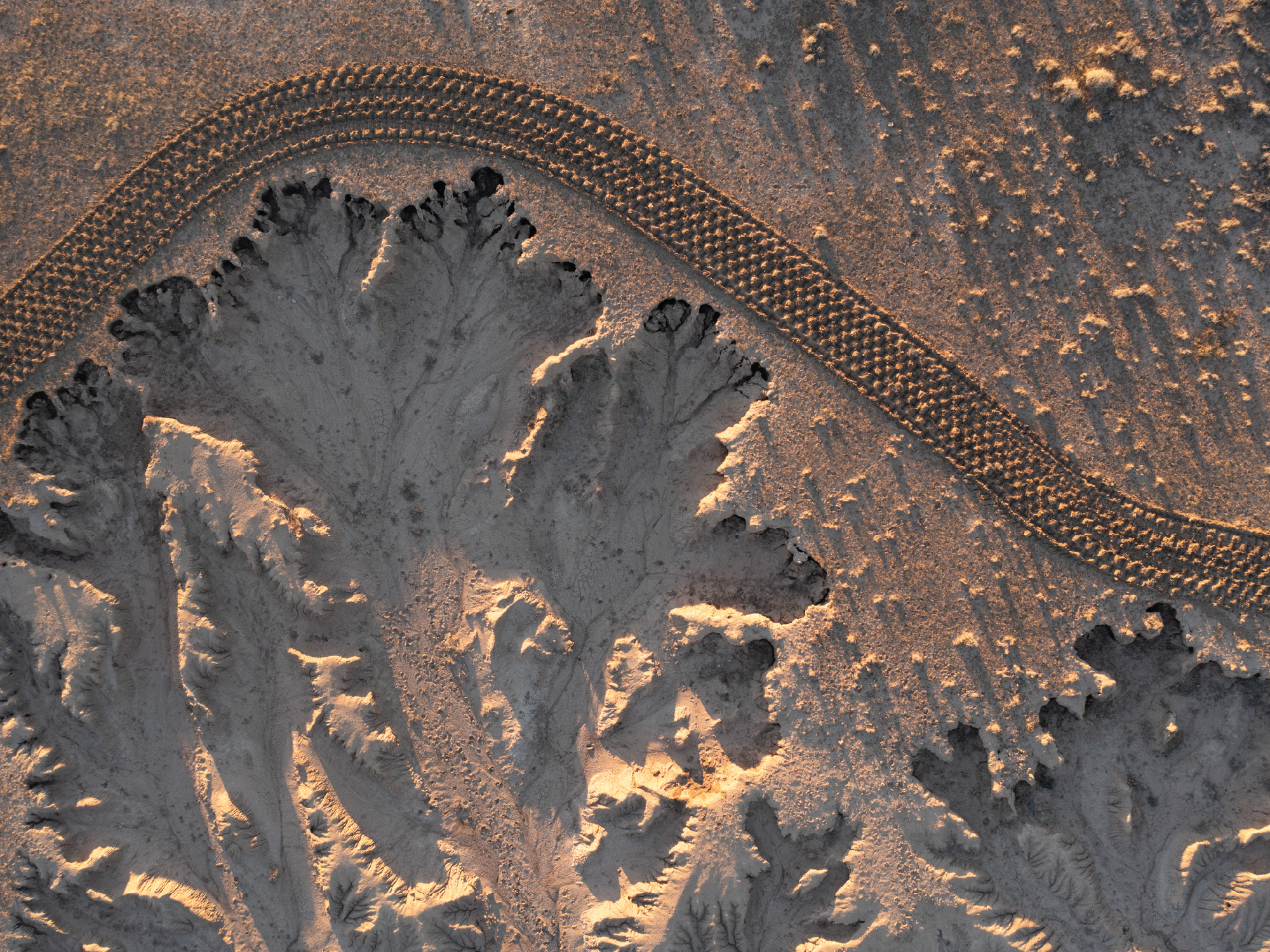
Vegetation management plays an important role in controlling erosion, dust, and stormwater along New Mexico’s roadways.
Bare soil is vulnerable to wind and water erosion, which can generate dust, increase sediment runoff, damage infrastructure, and create additional maintenance needs. Healthy vegetation helps stabilize soil, reduce erosion, slow stormwater runoff, and improve water infiltration.
For this reason, IVM is closely tied to NMDOT’s revegetation, erosion control, dust mitigation, and stormwater management efforts. NMDOT’s stormwater program uses vegetation to help filter pollutants and manage runoff, while revegetation and dust-mitigation efforts use vegetation to stabilize disturbed soils. Healthy roadside vegetation is more than an aesthetic benefit. It is part of the infrastructure that protects soil, manages water, and reduces pollution.
Monitoring, Mapping, and Adaptive Management
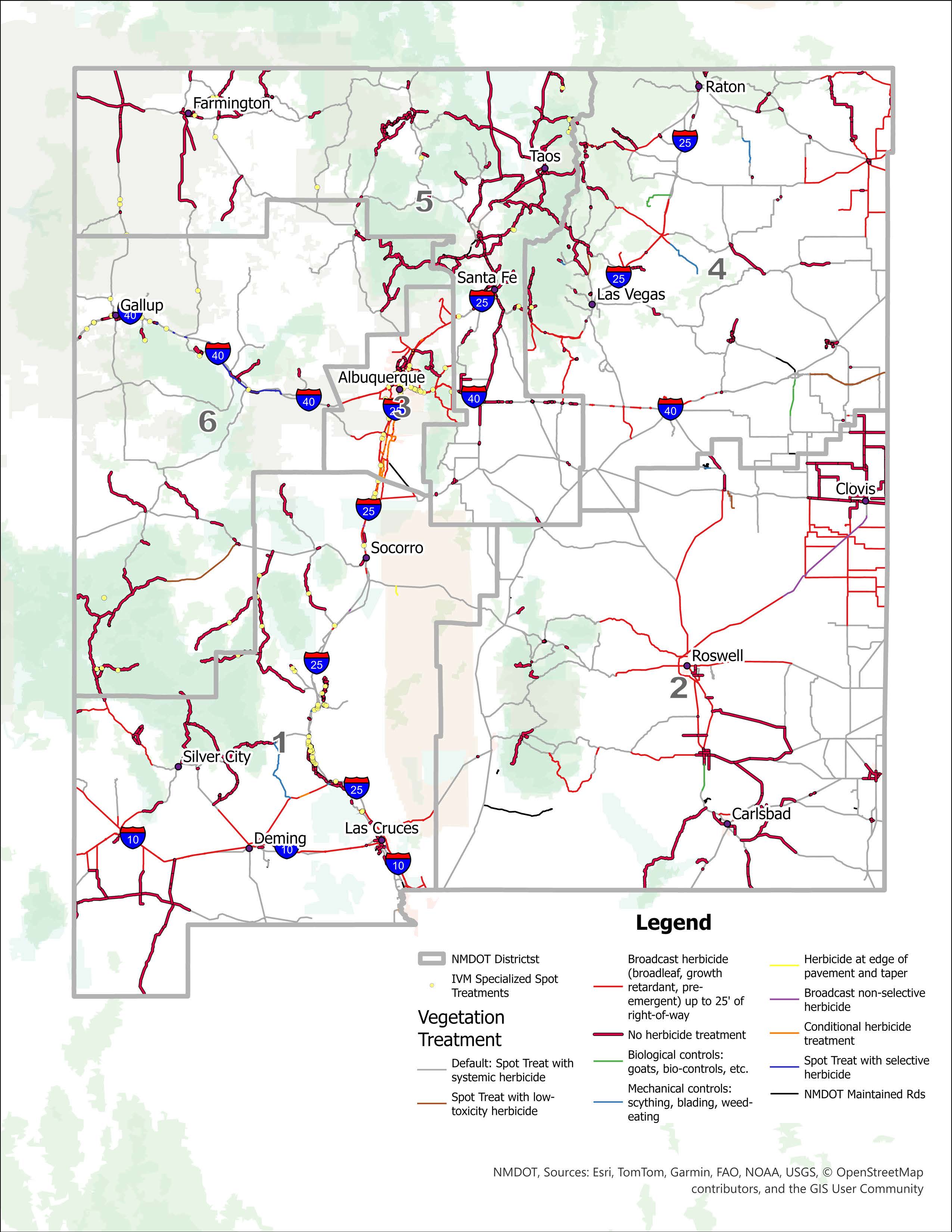
NMDOT has developed statewide vegetation management mapping across its maintained roadsides. This information documents current management practices and provides a foundation for evaluating their effectiveness.
NMDOT also maintains information about roadside management activities to identify opportunities for monitoring. By comparing management practices with observed vegetation conditions over time, we can learn which approaches work best under different circumstances. What works in a high-desert grassland may not work in a piñon-juniper landscape, an irrigated urban corridor, or a riparian environment. IVM allows management decisions to reflect those differences.
Integrated Vegetation Management in Practice
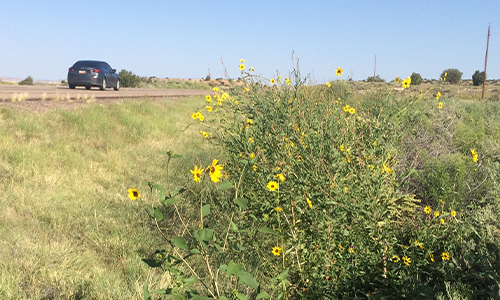
One of the most noticeable changes under IVM may be a different-looking roadside. Instead of maintaining a highly uniform appearance through frequent mowing, NMDOT is working toward roadsides that more closely reflect New Mexico’s natural grasslands, shrublands, and native plant communities while continuing to support safety and roadway function. In many locations, a diverse and structurally complex plant community can provide greater ecological value while requiring less intensive maintenance.
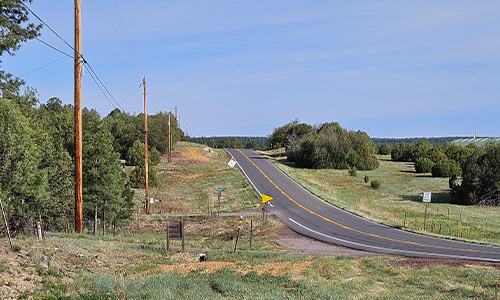
Traditional Approaches
Frequent mowing everywhere
Uniformly short vegetation
Broad-area treatments
Removing vegetation before flowering/seeding
One management method
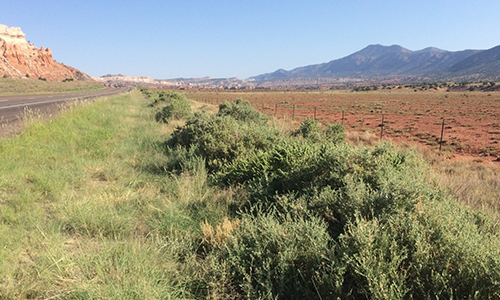
The IVM Approach
Mow where needed for safety
Allow appropriate native vegetation to grow
Target individual plants/patches
Allow flowering and seed production
Manage different areas differently
Best Practices & District Plans
NMDOT has developed IVM plans and best management practices to help guide implementation across the Department. These documents provide practical guidance for applying IVM principles to roadside maintenance and vegetation management.
Statewide Guides
The guide brings together the principles, practices, and decision-making approaches that support NMDOT’s IVM program. It is intended to be a practical resource for roadside vegetation management and a foundation for continued monitoring, evaluation, and adaptive management.
Best Management Practices
NMDOT IVM Guide
Tree and Shrub Guide
Tree Management Manual
Noxious Weed Management Guide
Weed Control Manual
Mowing Maintenance Guide
Mowing Manual
District IVM Plans
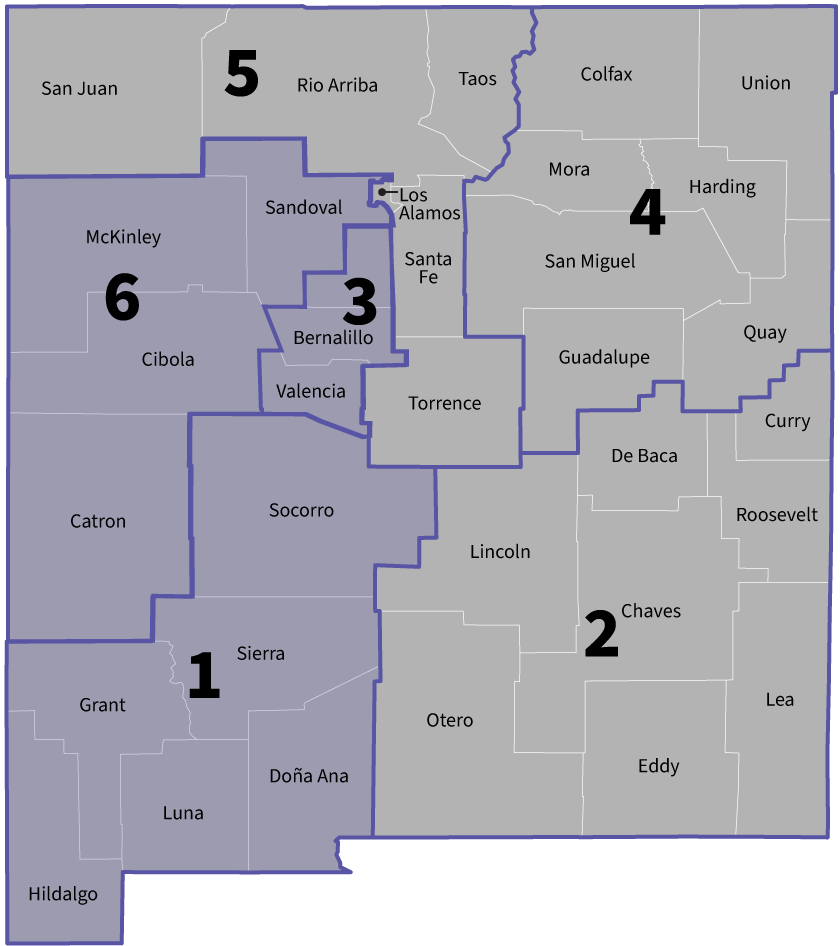
NMDOT is developing IVM plans for all NMDOT districts. Three completed district plans can be viewed at the links below. These plans provide district-specific guidance for implementing vegetation management practices and identifying opportunities to improve roadside ecological function while maintaining transportation safety.
District 1 IVM Plan
District 3 IVM Plan
District 6 IVM Plan
Help Us Create Pollinator Habitat
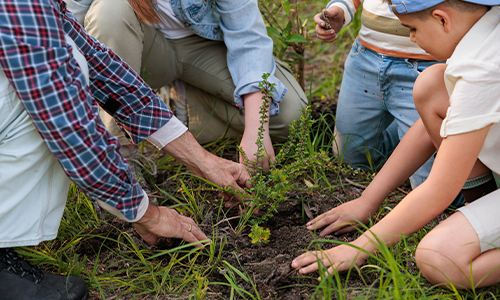
Help grow pollinator habitat across New Mexico. NMDOT is partnering with communities, schools, conservation organizations, and volunteers to enhance selected roadsides and rest areas with native vegetation that supports pollinators and showcases the benefits of healthy habitat.
Contact Andrew Alderete at andrew.alderete@dot.nm.gov about pollinator habitat opportunities.
Get Involved
NMDOT’s roadsides belong to all New Mexicans
We welcome ideas and partnerships that can help us improve their ecological function and value. We are particularly interested in hearing from communities, land managers, conservation organizations, researchers, educators, and volunteers who are interested in native vegetation, pollinator habitat, weed management, roadside restoration, or other aspects of sustainable roadside management.
If you have an idea for a roadside or rest-area habitat project, would like to explore volunteer opportunities, or have questions about NMDOT’s Integrated Vegetation Management program, please contact Andrew Alderete.
Contact Us
For questions about the NMDOT Integrated Vegetation Management Program or available resources:
Andrew Alderete,
IVM Specialist
Phone: 505-372-9909
Email: Andrew.Alderete@dot.nm.gov